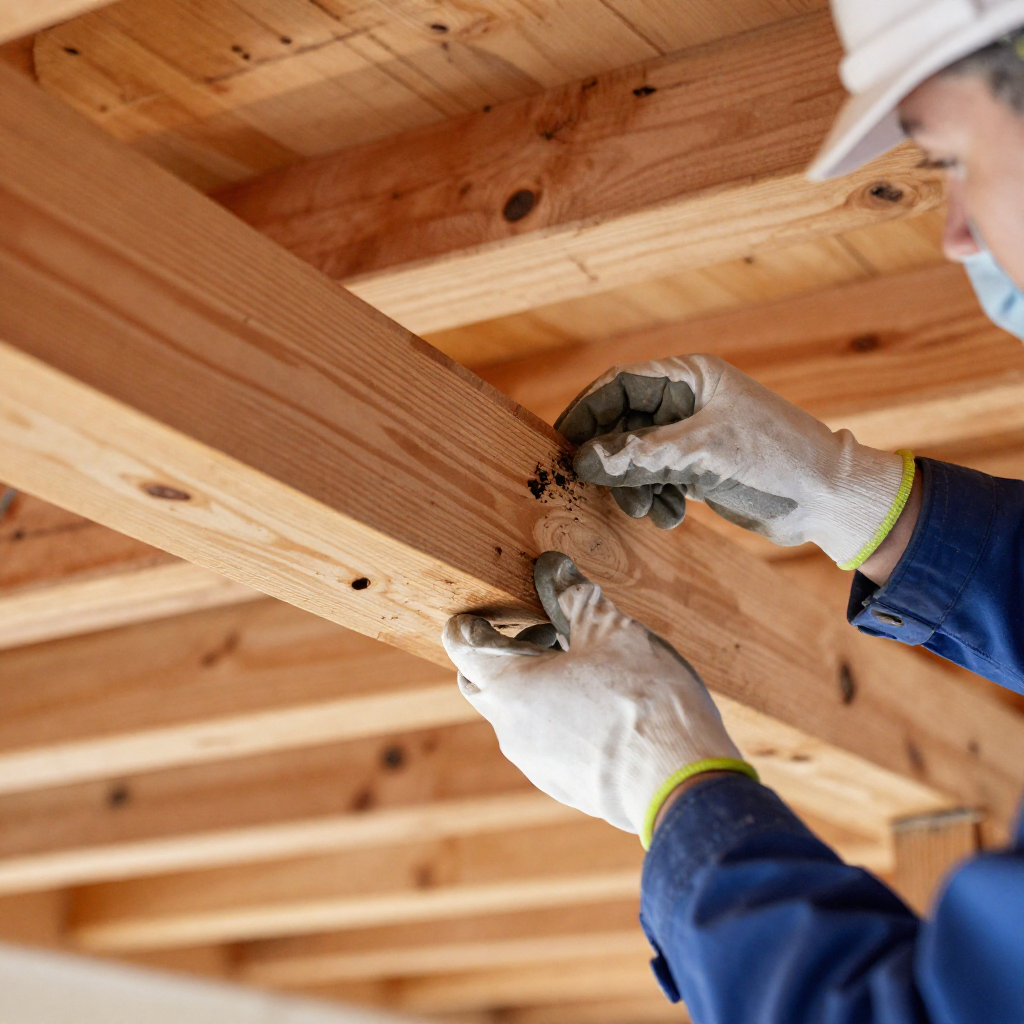
Wood-damaging pests can cause serious problems for homes, businesses, and wooden furniture. Among the most common culprits are woodworm and termites. While both feed on or damage wood, they are very different in terms of their biology, behavior, the type of damage they cause, and the treatment required to eliminate them. Misidentifying the pest can lead to ineffective treatment and costly repairs.
In this guide, we’ll explain the key differences between woodworm and termites, how to identify each infestation, and the best ways to protect your property from long-term damage.
What Is Woodworm?
Despite its name, a woodworm is not actually a worm. The term refers to the larvae of wood-boring beetles, such as the common furniture beetle, deathwatch beetle, or house longhorn beetle. Adult beetles lay their eggs on wooden surfaces or in cracks, and once the eggs hatch, the larvae tunnel through the wood while feeding.
The larvae can remain inside the timber for several years before emerging as adult beetles through small exit holes. Most of the damage occurs during the larval stage, making woodworm infestations difficult to detect until signs become visible.Visit online https://www.shashel.eu for more details.
What Are Termites?
Termites are social insects that live in large colonies consisting of workers, soldiers, and reproductive termites. Unlike woodworm, termites feed on cellulose, the main component of wood and many plant materials.
Termites continuously consume wood, often from the inside out, leaving only a thin outer layer intact. Because they work in large colonies, termite damage can spread rapidly and compromise the structural integrity of buildings if left untreated.
Woodworm vs. Termites: Key Differences
Although both pests attack wood, they differ significantly in several ways.
| Feature | Woodworm | Termites |
|---|---|---|
| Pest Type | Beetle larvae | Social insects |
| Lives In | Individual pieces of timber | Large underground or above-ground colonies |
| Damage Speed | Slow, often over several years | Fast, especially with large colonies |
| Entry Signs | Small round exit holes | Mud tubes and hollow wood |
| Visible Insects | Small beetles during emergence | White or cream-colored termites |
| Feeding Pattern | Larvae tunnel randomly through wood | Workers consume wood continuously |
| Common Regions | Europe, UK, and temperate climates | Warmer and tropical climates worldwide |
Understanding these differences is essential for choosing the correct treatment method.
How to Identify Woodworm Damage
Woodworm damage has several distinctive characteristics.
Small Exit Holes
The most recognizable sign is tiny round holes, typically 1–3 mm in diameter. These are left behind when adult beetles emerge from the timber.
Fine Powder (Frass)
Woodworm produces a fine, powdery wood dust known as frass, which often collects beneath infested furniture or wooden beams.
Fresh frass is usually light in color and indicates an active infestation.
Weak Timber
As larvae tunnel through wood, the timber gradually weakens. In severe cases, wood may become soft, brittle, or crumble under pressure.
Adult Beetles
During spring and summer, you may notice small brown or black beetles emerging from wooden surfaces.
How to Identify Termite Damage
Termites leave behind very different evidence.
Mud Tubes
Subterranean termites build narrow mud tunnels along walls, foundations, or wooden supports to travel while staying protected from predators and dry air.
These tubes are one of the strongest indicators of an active termite infestation.
Hollow-Sounding Wood
Termites consume the interior of timber while leaving the surface relatively intact.
If you tap the wood and it sounds hollow, termites may be feeding inside.
Discarded Wings
Flying termites (called swarmers) shed their wings after finding a place to establish a new colony.
Piles of discarded wings near windows or doors often indicate nearby termite activity.
Damaged Paint or Bubbling Surfaces
Because termites eat wood beneath the surface, paint may bubble, crack, or appear uneven.
Which Pest Causes More Damage?
Both pests can be destructive, but termites generally pose a greater threat.
Woodworm damage usually develops gradually over several years, allowing time for detection and treatment.
Termites, however, work continuously in large colonies. Thousands of worker termites can consume significant amounts of timber in a relatively short period, making them far more dangerous to structural components.
If termite activity goes unnoticed, major repairs may be required.
Where Are They Commonly Found?
Woodworm
Woodworm is more common in:
- Older homes
- Antique furniture
- Wooden floorboards
- Roof timbers
- Barns and outbuildings
- Damp or poorly ventilated areas
Termites
Termites are frequently found in:
- Foundations
- Crawl spaces
- Wooden framing
- Decks
- Fence posts
- Trees and wood stored near buildings
Warm climates with high humidity provide ideal conditions for termite colonies.
Causes of Infestation
Woodworm
Woodworm is attracted to:
- Damp timber
- Poor ventilation
- Untreated wood
- Older wooden furniture
- High humidity
Termites
Termites are attracted to:
- Soil-to-wood contact
- Moisture
- Leaking pipes
- Wood debris around buildings
- Cracks in foundations
Reducing moisture is one of the most effective ways to discourage both pests.
Treatment Options
Treating Woodworm
Depending on the severity of the infestation, treatment may include:
- Applying woodworm insecticides
- Surface wood preservatives
- Replacing heavily damaged timber
- Improving ventilation
- Reducing indoor humidity
Professional inspections are recommended for structural infestations.
Treating Termites
Termite control often requires more specialized methods, including:
- Liquid termiticides
- Baiting systems
- Soil treatments
- Fumigation in severe cases
- Professional colony elimination
DIY treatments rarely eliminate an entire termite colony.
How to Prevent Woodworm and Termites
Preventive maintenance can significantly reduce the risk of infestation.
Follow these best practices:
- Keep timber dry and well ventilated.
- Repair roof leaks and plumbing issues promptly.
- Store firewood away from your home.
- Inspect wooden furniture regularly.
- Avoid direct wood-to-soil contact.
- Seal cracks around foundations.
- Use treated timber for outdoor structures.
- Schedule periodic professional inspections, especially in older properties.
Regular maintenance helps detect problems before they become expensive repairs.
When Should You Call a Professional?
You should seek professional help if:
- Structural beams show signs of damage.
- You notice active beetles or termites.
- Fresh frass or mud tubes continue appearing.
- Wooden floors become soft or unstable.
- The infestation appears widespread.
- You’re unsure whether the damage is caused by woodworm or termites.
An experienced pest control specialist can correctly identify the pest, determine the extent of the damage, and recommend the most effective treatment plan.
Conclusion
Although woodworm and termites both damage wood, they are entirely different pests that require different treatment strategies. Woodworm refers to the larvae of wood-boring beetles that slowly tunnel through timber, while termites are social insects capable of causing rapid and extensive structural damage.